The Graeme Clark Institute for Biomedical Engineering was created in 2017 to coordinate biomedical engineering activities across the University of Melbourne. We are dedicated to transforming healthcare with biomedical engineering solutions that deliver global health, societal and economic benefits.
Since October 2022, the institute has led the MedTech platform that draws on engineering strengths in research, teaching and engagement at Faculty of Engineering and Information Technologies to develop solutions, applications and devices that help meet medical needs.

Message from the Director
Being positioned at the University of Melbourne and the Parkville Biomedical precinct offers a huge depth of biological science and engineering expertise within the Graeme Clark membership, making it possible for us to deliver new high impact technologies that solve long-standing health issues that are underserved by existing technologies
- Professor David Nisbet
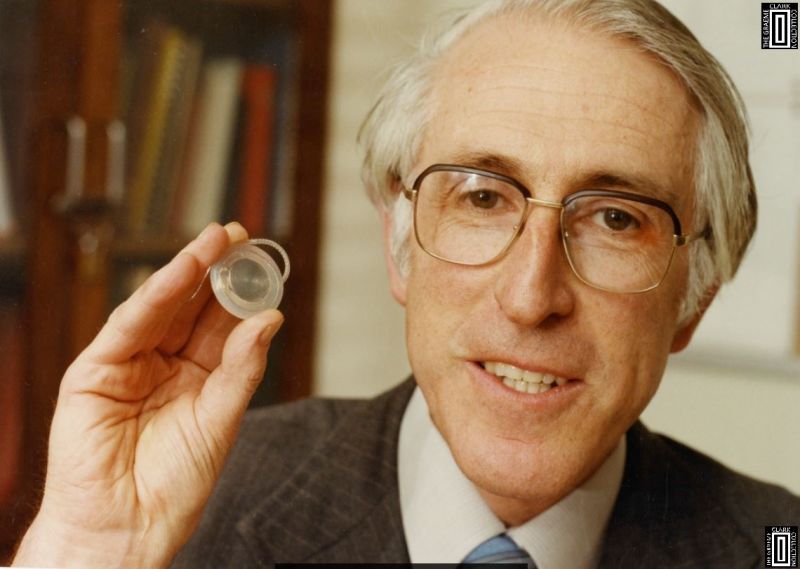
Professor Graeme Clark AC Lasker Laureate
The Graeme Clark Institute for Biomedical Engineering is proud to be named in honour of Professor Graeme Clark AC Lasker Laureate.
Professor Clark pioneered one of the world’s greatest biomedical engineering achievements, the multi-channel cochlear implant or bionic ear – the first device to allow severely-to-profoundly deaf people understand speech and the first restoration of a human sense.
His groundbreaking achievements encapsulate the vision of the Graeme Clark Institute for Biomedical Engineering – to transform healthcare through biomedical engineering solutions that deliver global health, societal and economic benefits.