Innovative Bruxism Solution Secures International Patent
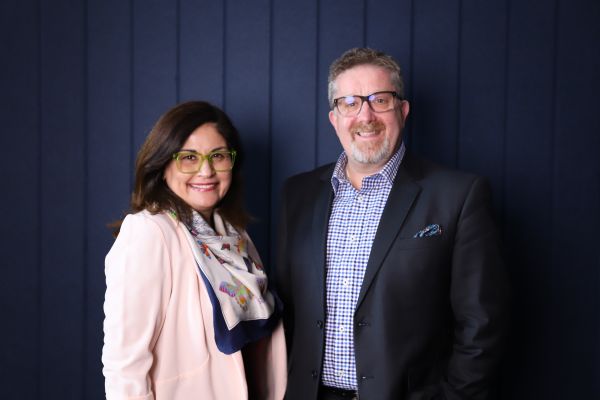
Graeme Clark Institute member Dr. Shazia Naser-ud-Din, under the mentorship of Prof Alastair Sloan, has achieved international recognition with the recent award of a PCT (Patent Cooperation Treaty) for her groundbreaking invention to treat bruxism.
Dr. Shazia Naser-ud-Din, a graduate of UCL London and PhD holder in Orthodontics from the University of Adelaide, has over 25 years of experience as an academic, researcher, and clinician. Praised by international experts including Dr. M. Trulsson of the Karolinska Institutet, she became the first female Discipline Lead in Orthodontics at the University of Queensland, where she pioneered the introduction of Scenario-Based Learning interactive (SBLi) modules in Australia. Her work has been published in high-impact journals.
Professor Alastair Sloan, Graeme Clark Institute Advisory Board member and a distinguished academic and researcher, currently serves as Pro Vice-Chancellor (Research Collaboration) at the University of Melbourne. With an impressive career spanning prestigious institutions in the UK and Australia, Prof. Sloan has made significant contributions to Dental education and research. Alastair is strong proponent of innovative research in biomaterials and continues to shape the future of dentistry and orthopaedics, cementing his status as a world-leading authority in the field. In regards to the Bruxism Magnetic Splint Alastair has supported and encouraged diversity to make momentum for greater good.
Bruxism, or the grinding and clenching of teeth during sleep, affects nearly one in three people worldwide. This often-overlooked condition can cause disrupted sleep, jaw pain (TMD) and irreversible wear of dental enamel, leading to a shortened facial profile and an aged appearance.
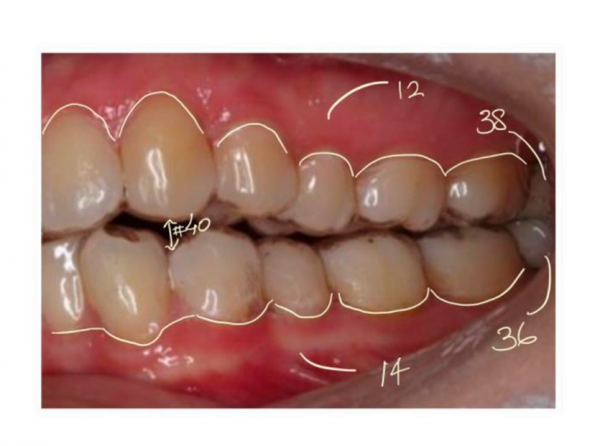
Bruxism Magnetic Splint. Natural Freeway Space observed clinically (prototype investor testing), validated at the University of Bonn Germany.
Image Courtesy of Dr. Shazia Naser-ud-Din
Most current treatments rely on passive plastic splints, which are outdated and often ineffective. These devices do not address the root cause and fail to counteract the intense bite forces that can reach up to 20 kilograms during sleep.
Dr. Naser-ud-Din's bruxism device aims to restore the natural 1-2 mm “Freeway Space” between jaws using a unique magnetic splint with rare earth NdFeB magnets that actively cancel 20kg+ of occlusal force - offering unmatched protection to oral-facial structures and supporting youthful smiles for life. This device is designed to provide comfort, convenience, efficiency and effectiveness with light splints used at nights only.
Dr. Naser-ud-Din’s achievement is a testament to the entrepreneurial spirit driving innovation among clinicians, academics and researchers, laying a solid foundation for future growth within the evolving sector at Melbourne Dental School.